


Choosing festive wear is not always about finding the right colour or design. Sometimes, two outfits look equally appealing, but the fabric makes all the difference. One has a soft sheen that catches your eye, while the other looks light, breathable and easy to wear throughout the day. This is where the choice between Chanderi and cotton comes in.
Both fabrics have their own appeal in Indian ethnic wear. Chanderi is known for its fine weave and delicate lustre, while cotton is valued for its breathability and versatility. But which one should you choose for your next celebration?
The answer depends on the kind of occasion you are dressing for, the weather and what makes you feel comfortable. Understanding how these fabrics differ can help you make a choice that works beyond just one festive occasion.
Chanderi vs Cotton: What Sets Them Apart?
The difference between Chanderi and cotton goes beyond how they look. Their texture, drape and finish influence how an outfit feels and how you might want to style it.
Chanderi has a characteristic sheen that gives garments a refined appearance, even when the design is relatively simple. Cotton, on the other hand, offers a more understated finish and comes in a wide range of textures, prints and weights. Neither is limited to a particular style of dressing; both can work beautifully for festive occasions when chosen thoughtfully.
Here is a closer look at the differences.
| Feature | Chanderi | Cotton |
|---|---|---|
| Appearance | Fine texture with a delicate sheen | Natural, generally matte finish |
| Texture | Often lightweight with a slightly crisp feel | Ranges from soft and airy to crisp and structured |
| Drape | Usually has a fine, fluid or slightly structured drape | Depends on the weave and weight of the fabric |
| Breathability | Varies with the weave, composition and lining | Generally breathable and suitable for warm weather |
| Festive appeal | Offers a naturally dressy, refined finish | Works well with prints, embroidery and colourful styling |
| Styling | Complements delicate jewellery and understated accessories | Pairs well with statement jewellery, printed dupattas and colourful accessories |
| Maintenance | May require gentle handling, depending on construction | Often easier to maintain, depending on the finish and care instructions |
| Best suited for | Occasions when you want a subtle sheen and a dressed-up appearance | Celebrations where comfort, versatility and repeat wear matter |
One important thing to remember is that the fabric name alone does not determine comfort. Lining, embroidery, fabric weight and garment construction can all affect how an outfit feels when worn for several hours.
Why Chanderi Has a Special Place in Festive Wear
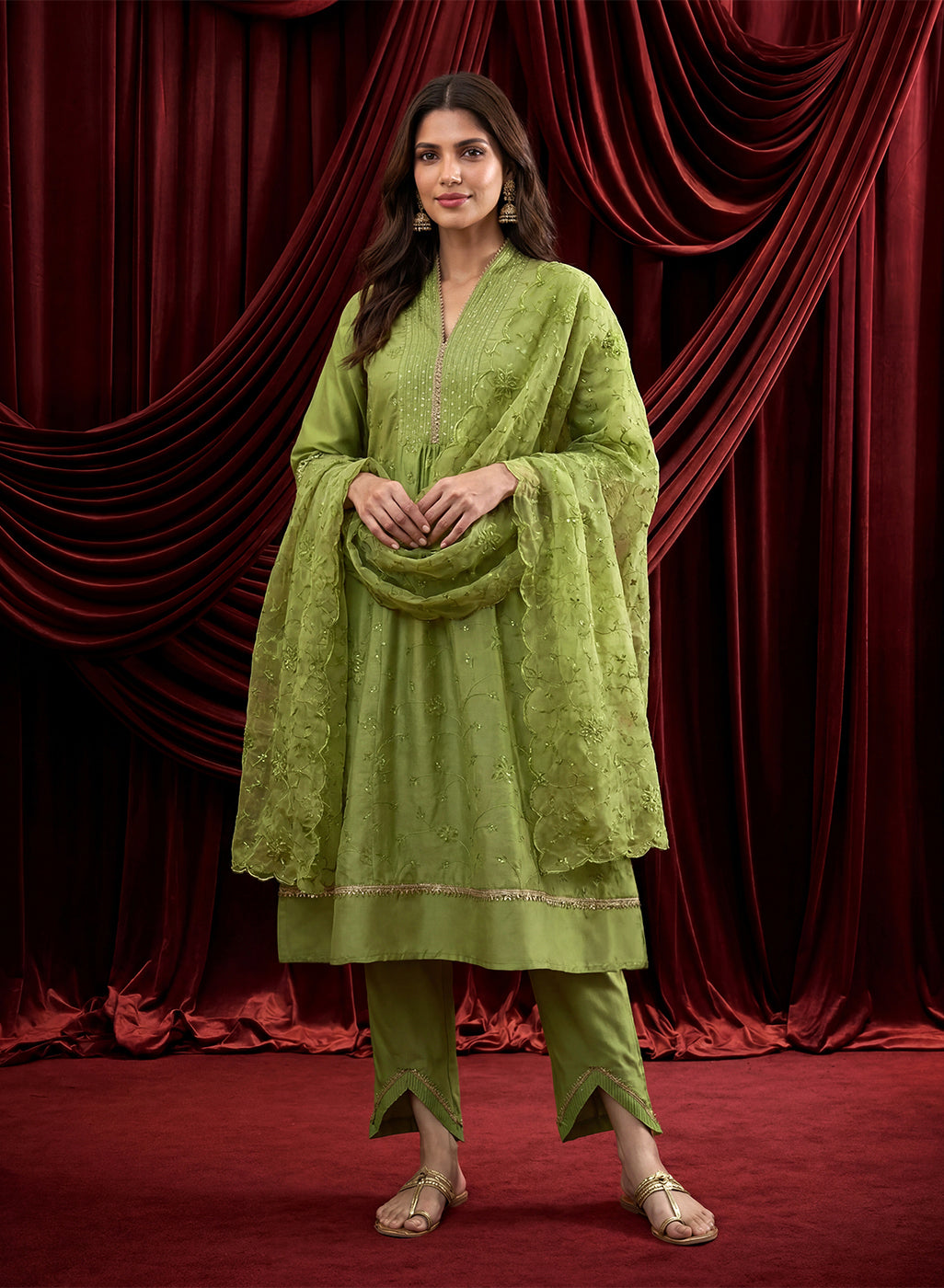
Some fabrics rely on elaborate embroidery or embellishments to create a festive appearance. Chanderi has a visual quality of its own. Its delicate sheen catches the light, while its fine texture adds depth without necessarily making the garment look heavy.
This is why Chanderi fabric for festive wear is worth considering when you want an outfit that feels special but does not require extensive styling. It works across different ethnic wear categories, including dresses, tunics, coordinated outfits and dupattas, depending on the design and construction.
Imagine getting ready for a Diwali dinner or an evening family celebration. A Chanderi outfit with subtle embroidery, a coordinated dupatta or carefully placed woven details can look complete with minimal accessories. You could pair it with jhumkas, a small clutch and embellished footwear without adding too much to the overall look.
Chanderi also works well when you prefer a more understated approach to festive dressing. Rather than choosing heavy embellishments, you can let the fabric's finish do some of the work.
However, there are a few things to consider before buying:
- Some Chanderi fabrics can be sheer, so check whether the garment is lined.
- Embroidery and decorative details may affect the overall weight.
- Delicate weaves may require extra care during washing and storage.
Chanderi is particularly appealing when you want a refined finish without making the outfit feel overly elaborate. The key is to choose a design that balances appearance with comfort.
Cotton: A Festive Favourite for Good Reason
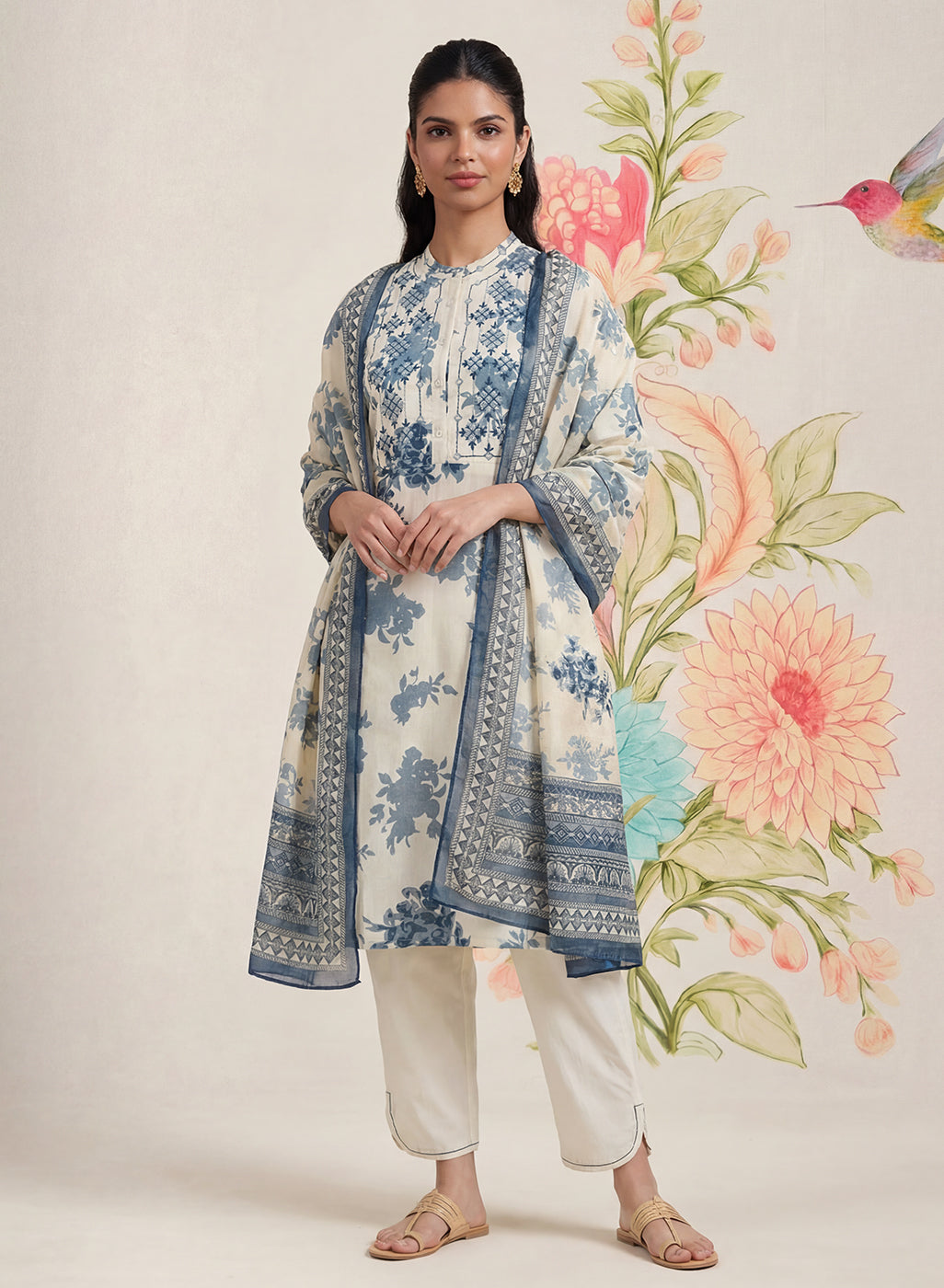
Cotton has a different kind of appeal. It may not have the same characteristic sheen as Chanderi, but its versatility makes it useful for a wide range of occasions.
For a morning puja, a daytime family gathering or a celebration that involves travelling between different places, cotton can be a practical choice. Its breathability makes it popular for warmer weather, and the variety of prints, colours and textures available means you do not have to compromise on style.
Cotton also offers plenty of room for festive detailing. A vibrant print, delicate embroidery, a contrasting dupatta or carefully chosen accessories can make a simple outfit feel occasion-ready.
What makes cotton especially useful is that it can move easily between festive and everyday dressing. Depending on its design, the same garment may work for a family lunch, a casual get-together or a day out after the festive season.
That said, not every cotton garment feels the same. A thick weave, heavy lining or multiple layers can make an outfit warmer than expected. Cotton can also crease during prolonged wear, and some varieties may shrink or fade if not cared for properly.
When shopping for cotton festive wear, pay attention to:
- Fabric weight: Lighter cotton fabrics may feel more comfortable in warm weather.
- Print and colour: These can add festive character without relying on heavy embellishments.
- Construction: Lining and decorative details influence the overall feel of the garment.
- Versatility: Consider whether you can wear the outfit for occasions beyond the festival itself.
If you prefer clothing that combines comfort with styling flexibility, cotton is a useful option to have in your wardrobe.
Which Fabric Should You Choose for Different Festive Occasions?
The best way to compare Chanderi and cotton is to think about the occasion rather than assuming one fabric is always more suitable.
For example, a daytime celebration may call for something light and easy to wear, while an evening gathering might inspire you to choose a fabric with a more noticeable finish. Both materials can work for either occasion; the design and construction make a difference.
Here is how you can approach the choice.
For daytime celebrations: Cotton is worth considering, especially when you expect to spend several hours moving around. Prints and light embroidery can make the outfit festive without making it feel too formal.
For evening gatherings: Chanderi can be a lovely option if you prefer a delicate sheen and a more dressed-up appearance. You can keep the jewellery simple and let the fabric stand out.
For family functions: Consider the nature of the gathering. A simple cotton outfit may feel right for a relaxed lunch, while Chanderi can suit a more formal celebration.
For warm-weather festivities: Look at the fabric weight, lining and overall construction. Cotton is generally breathable, but a lightweight Chanderi garment may also be comfortable when designed well.
For repeat wear: Cotton often offers more styling flexibility for everyday use. Chanderi can also be worn across different occasions when the design is understated and easy to accessorise.
Ultimately, the best fabric for festive wear is the one that suits both the occasion and the way you prefer to dress.
Styling Chanderi and Cotton Without Overdoing It
The fabric you choose can influence how much styling your outfit needs. Chanderi already has a delicate sheen, while cotton gives you more room to experiment with prints, colours and accessories.
With Chanderi, the idea is to complement the fabric rather than compete with it. Delicate earrings, a coordinated dupatta and simple footwear can create a balanced look. If the garment features embroidery or woven detailing, you may not need much additional embellishment.
Cotton gives you a little more freedom to experiment. Depending on the outfit, you could introduce contrast through your dupatta, add colourful bangles or choose statement earrings to make the look more festive.
A few simple styling principles work for both fabrics:
- Choose accessories that complement the outfit's colours and detailing.
- Avoid adding too many decorative elements when the garment already has intricate work.
- Consider the occasion before choosing footwear and jewellery.
- Pay attention to the overall balance of the outfit rather than styling every element separately.
The goal is not to make either fabric look more expensive or elaborate than it is. It is to create a look that feels appropriate for the celebration and comfortable to wear.
Care and Maintenance: What Should You Know?
Before buying a festive outfit, it is worth considering how much care the garment will need after the occasion.
Cotton is often relatively easy to maintain, but the correct washing method depends on its colour, print, weave and construction. Some garments may shrink or lose colour when washed incorrectly, so always check the care label.
Chanderi may require gentler handling, especially when it has a fine weave, embroidery or decorative threads. Depending on the garment, gentle home care or professional cleaning may be recommended.
If you want to get more wear out of your purchase, consider these questions:
- Can the garment be washed at home, or does it need professional cleaning?
- Will its colour, print or decorative details require special care?
- Is the fabric suitable for how frequently you intend to wear it?
- Can you store the garment without damaging its texture or embellishments?
A little attention to care instructions can help preserve the garment's appearance and make it easier to enjoy across multiple occasions.
The Final Verdict: Chanderi or Cotton?
Chanderi and cotton serve different preferences, which is why choosing between them does not have to mean declaring one the winner.
Chanderi is worth considering when you want a fine texture, a delicate sheen and a refined finish for festive occasions. Cotton is a practical choice when breathability, versatility and ease of styling are higher on your list.
When comparing Chanderi vs cotton for festive wear, look beyond the material itself. The garment's design, lining, embroidery, weight and construction all influence how it looks and feels. A beautifully printed cotton outfit can be just as suitable for a celebration as a Chanderi design, while a lightweight Chanderi garment can work well for a daytime event.
At Lakshita, festive dressing is about finding Indian ethnic wear that reflects your personal style and suits the occasion. Whether you prefer the subtle sheen of Chanderi or the versatility of cotton, choose pieces that you feel good wearing and can style in ways that work for your wardrobe.
After all, a festive outfit should not simply look right for the occasion. It should feel right when you wear it.
MADE IN INDIA — Celebrating the beauty of Indian ethnic wear for festive occasions and everyday moments.
Frequently Asked Questions
Which fabric is better for festive wear: Chanderi or cotton?
Chanderi is a good option when you want a delicate sheen and a refined appearance. Cotton is often preferred for daytime celebrations and warm-weather comfort. The best choice depends on the occasion, garment construction and your personal preferences.
Is Chanderi suitable for summer celebrations?
Yes, Chanderi can be suitable for summer festivities because it is generally lightweight. However, the weave, lining and embellishments affect comfort, so check these details before purchasing.
Can cotton look dressy enough for festive occasions?
Absolutely. Prints, embroidery, contrasting colours and thoughtful accessories can make cotton outfits suitable for festive gatherings. The overall design matters just as much as the fabric.
Which fabric is easier to maintain, Chanderi or cotton?
Cotton is often easier to maintain, although care requirements vary by garment. Chanderi may need gentler handling, particularly when it features delicate embroidery or a fine weave. Always follow the care instructions provided with the outfit.