


Your wardrobe already knows the answer. It’s the pieces you reach for on busy mornings. The ones that don’t need ignoring drama, don’t make you uncomfortable by noon, and somehow still look put-together. And if you think about it, it is rarely about the design. It is always about the fabric. Because daily wear isn’t about what looks good on a hanger, but what actually works in real life. If you're building a wardrobe of ethnic outfits you will actually wear, here is a breakdown of fabrics that make the cut.
Cotton - The Undisputed Favourite
If daily wear had a comfort champion, it would be cotton. No competition. It is breathable, soft, and incredibly forgiving in the Indian weather, especially during the summers. Cotton absorbs moisture, allows airflow, and doesn’t cling, making it perfect for long days.
Whether it is a simple kurta, a full suit set, or even a co-ord, cotton just makes everything easier. The only catch is that it can crease. But honestly, in daily wear, that is a small price to pay for comfort.
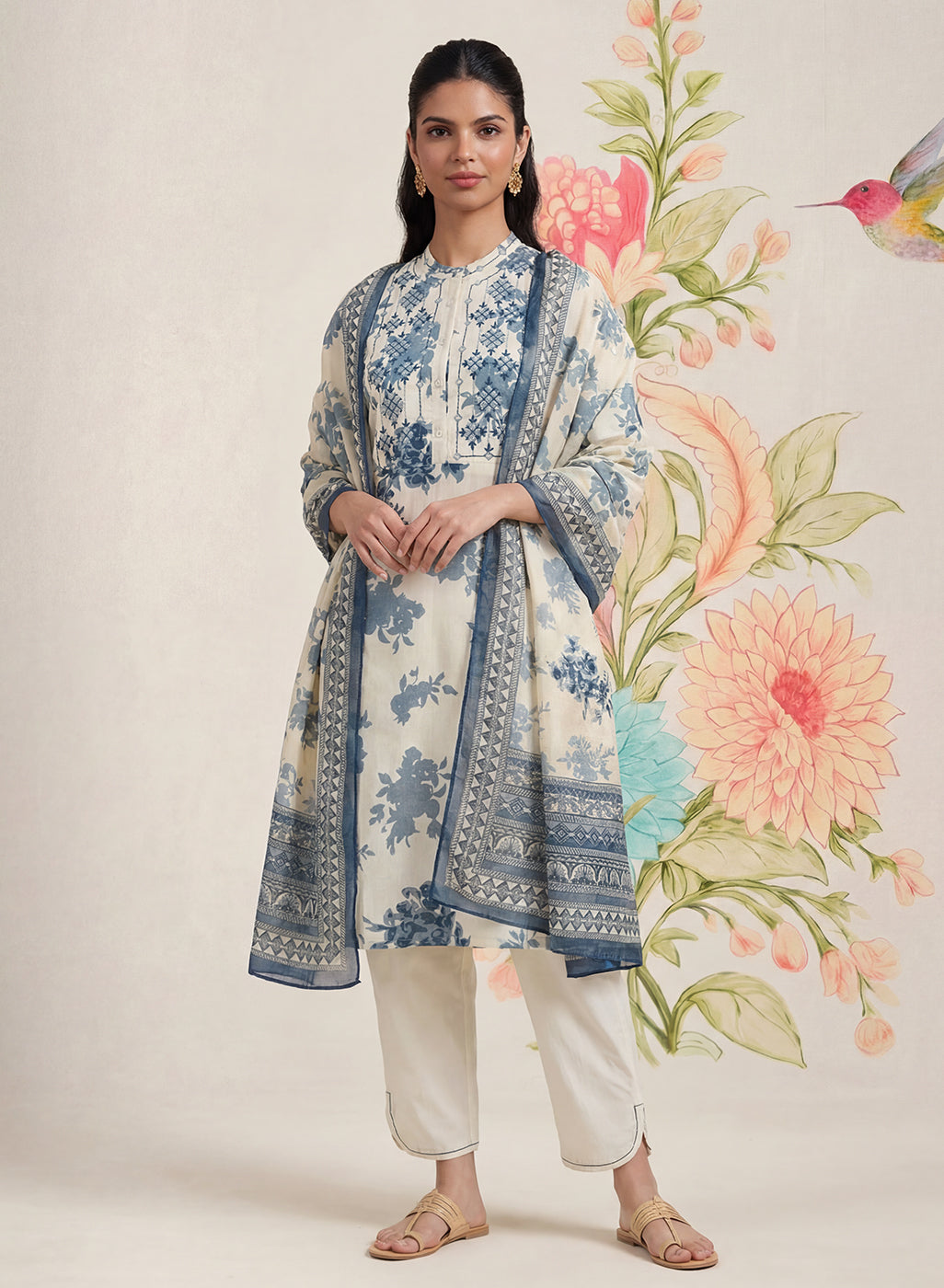 Rayon- The “Looks Good, Feels Easy” Fabric
Rayon is like the friend who always shows up looking polished, but is secretly very low effort. It has a soft, fluid fall that makes outfits look more put-together than they actually are. It drapes beautifully, doesn’t feel heavy, and works well with casual and slightly dressy looks. It’s especially great if you want something that looks elevated, but still feels comfortable enough for daily wear.
Muslin - The Softest Of Them All
Muslin is one of those fabrics that you don’t fully appreciate until you wear it. It’s incredibly soft, lightweight, and almost feels like air on your skin. Perfect for days when comfort is your top priority. It may not have the structure of other fabrics, but what it lacks in form, it makes up for in feel.
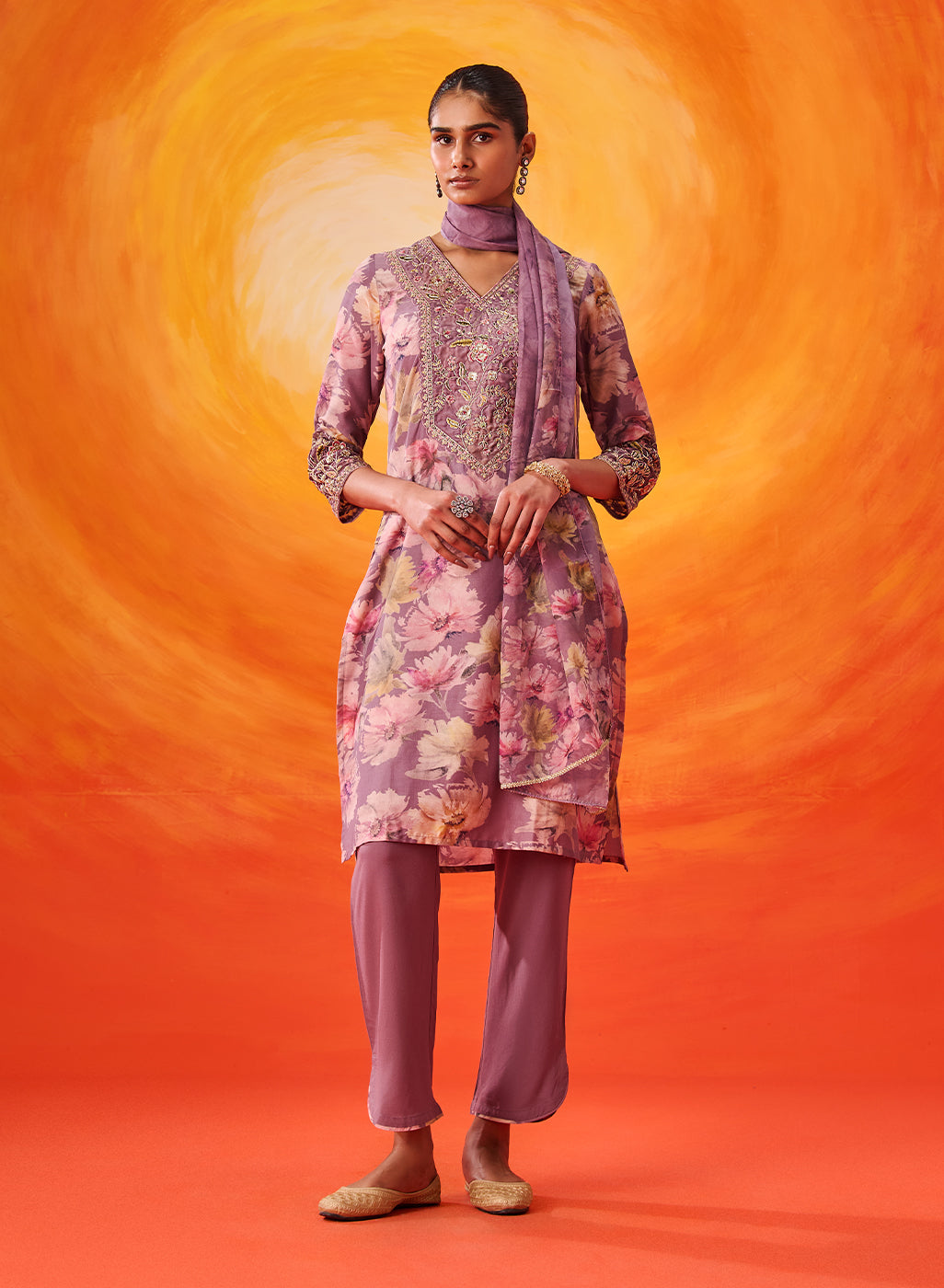 Linen- Premium Comfort
Linen is the fabric to wear if you're looking for something put-together.
Linen is slightly crisp, making an outfit look structured and refined; it is also breathable and lightweight,t which works for hot weather. It wrinkles, but that is part of its charm. Linen is not meant to be perfect; it is meant to be easy.

Chanderi - Light, Festive, and Still Wearable
Chanderi is proof that you don’t always have to choose between festive and comfortable. It’s lightweight, slightly sheer, and has a soft sheen that instantly elevates any outfit. While it leans towards occasion wear, lightweight Chanderi can also work for everyday wear, especially if you like your daily outfit to be a little more special. Think of this as your “I want to look nice, but still feel comfortable” fabric.

Blended Fabrics - The Best of Both Worlds
If pure fabrics feel a little too high-maintenance, blends are where they start making sense.
Think of them as the practical middle-ground. You get the comfort of natural fabrics like cotton or linen, but the added benefits of structure, fewer wrinkles, and a smoother finish. Cotton blends and linen blends are designed to make everyday dressing easier.
What’s also great about blends is how versatile they are. They work for long office days, quick outings, and even slightly dressed-up moments without feeling too casual or too heavy.
So, Which Fabric is Actually The Best?
Here is the honest answer - there isn’t just one. The “best” fabric depends on your day.
Running errands? Go for cotton
Long office days? Try rayon and linen blends.
Want something slightly elevated? Chanderi works beautifully.
The goal isn’t to stick to one fabric, but to build a wardrobe that works across your routine.
Final Thoughts
Daily wear isn’t about statement pieces. It is the outfits you reach for without thinking. The ones that feel good, look easy, and don’t ask too much from you. And more often than not, it comes down to the fabric.
So the next time you are shopping for ethnic wear, don’t just look at the design. Check the fabric. Because when that’s right, everything else falls into place.
FAQs
Are cotton blends good for daily wear?
Yes, cotton blends are an excellent choice for daily wear. They combine the comfort of cotton with added durability, structure, and wrinkle resistance, making them easier to maintain and more versatile for everyday use.
What is the difference between cotton and cotton-blend kurtis for daily wear?
Cotton kurtis are more breathable and ideal for hot weather, while cotton blend kurtis offer added durability, better structure, and fewer wrinkles. Cotton blends are often easier to maintain and can be worn across different occasions.
What fabrics should I avoid for daily wear?
Heavy fabrics like velvet, thick silk, or heavily embellished materials are not ideal for daily wear. They can feel uncomfortable for long hours and require more maintenance.
How do I choose the best fabric for daily wear kurta sets?
Look for fabrics that match your lifestyle and climate. For hot weather, go for cotton or muslin. For work or slightly dressy looks, choose rayon or blends. Always prioritise comfort, breathability, and ease of maintenance.

